A Guide to Alpharetta top Roofing Company for Quality Workmanship
A Guide to Alpharetta top Roofing Company for Quality Workmanship
Blog Article
Reputable Roofing Company: Quality Roofing Alternatives You Can Depend On
A sturdy roofing company holds an critical role in keeping the integrity of a home. High-quality roofing options deliver extended lifespan and shielding against environmental elements. Homeowners often underestimate the importance of selecting the right contractor. However, comprehending the key qualities and services offered can make a significant difference. What should one examine when selecting a roofing partner? The answers may expose more than expected.
Why a Reputable Roofing Service Matters for Your Home
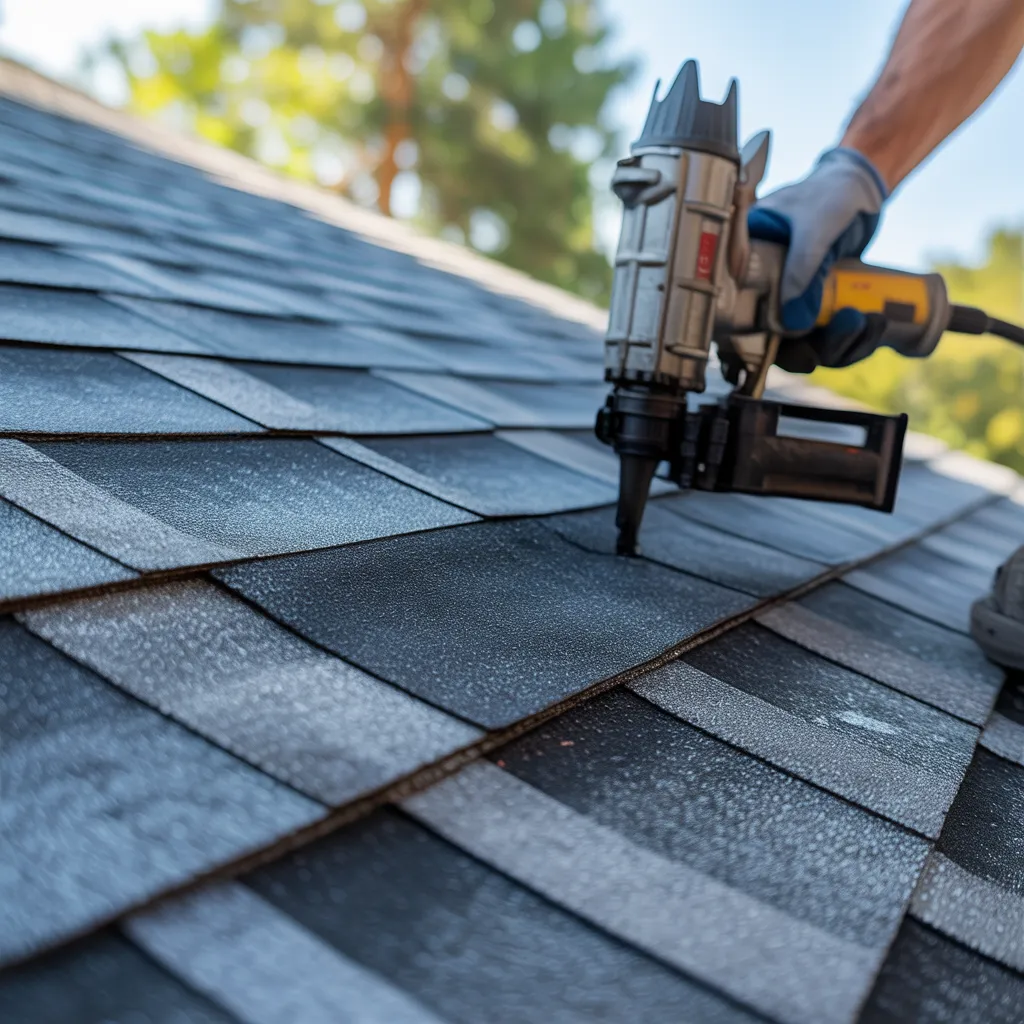
When property owners evaluate the importance of their roofs, they often neglect the important role a dependable roofing company plays in protecting their investment. A reputable contractor guarantees that roofing materials are applied correctly, following industry standards and local building codes. This not only strengthens the roof's resilience but also protects against water damage, mold growth, and structural issues.
Furthermore, a reputable roofing company presents warranties on both materials and installation, affording homeowners reassurance. They also implement detailed inspections, revealing latent defects early, which can avert homeowners from substantial repairs down the line.
In an industry where excellence can vary substantially, choosing a solid roofing company can denote the contrast between a long-lasting roof and perpetual headaches. Ultimately, allocating funds in a trustworthy contractor is a necessary step in maintaining the integrity and well-being of a home.
Essential Attributes to Evaluate When Choosing a Roofing Contractor
Hiring a roofing contractor requires meticulous review of important features that guarantee reliability and competence. Above all, a respected professional should hold valid licensing and insurance, ensuring alignment with local rules and protection against liability. Experience is another essential factor; established contractors typically have a proven track record of successful projects and satisfied clients.
Additionally, powerful communication skills are important, as they facilitate constructive conversations about project requirements and timelines. The contractor should also furnish complete written breakdowns, allowing homeowners to perceive costs right away. Moreover, a commitment to using high-quality materials reflects a dedication to sustainable results.
Finally, favorable client testimonials and recommendations serve as signs of the contractor's dependability and expertise. By focusing on these key qualities, homeowners can make informed decisions when hiring a roofing contractor, ultimately ensuring a quality roofing project.
Key Points to Discuss with Roofing Companies?
What critical questions should homeowners ask to roofing contractors to secure an successful partnership? First, they should inquire about the company's licensing and insurance. This ensures that the company meets local requirements and is protected against potential financial risks. Next, homeowners should inquire about the guarantees provided on both materials and workmanship, as this reflects the company's commitment to excellence.
In addition, it's critical to solicit endorsements from previous clients. This can provide knowledge into the company's dependability and quality of work. Homeowners should also examine the timeframe for finishing the work, verifying it coincides with their expectations.
In conclusion, questioning the materials selected and their durability can enable homeowners to make informed decisions. By addressing these vital concerns, homeowners can establish a candid discussion, ultimately leading to a trustworthy and effective roofing collaboration.
Examining Roofing Assessments
What approaches can homeowners employ to effectively assess roof contractor reviews to make sound choices? Examining feedback requires a organized approach. First, they should examine the overall rating and the number of reviews. A high rating with numerous reviews often indicates dependability. Homeowners should search for specific comments regarding workmanship, timelines, and customer service. Positive reviews that detail the work completed offer deeper insights than generic praise.
Similarly, unfavorable assessments should be examined for trends. If numerous customers cite comparable issues, it may suggest a recurring problem. Homeowners should also evaluate the attentiveness of the company to negative reviews, as this reflects their dedication to customer contentment.
Furthermore, using trusted sites that verify reviews can strengthen credibility. Ultimately, homeowners might pursue suggestions from friends or family, complementing online reviews with personal experiences. By adhering to these steps, homeowners can manage roofing reviews effectively and select a trustworthy contractor.
Residential Roofing Options
Residential roofing options include a selection of materials and styles, each created to satisfy distinct requirements and tastes. Common options include asphalt shingles, noted for their affordability and ease of installation, and metal roofing, which offers strength and energy efficiency. Tile roofs, often chosen for their beauty, deliver longevity and are resistant to harsh weather conditions. Additionally, slate roofing offers a premium option, renowned for its elegance and resilience. For sustainability-focused homeowners, options like green roofs and solar shingles are increasingly popular, fostering sustainability. Each roofing material comes with its own set of advantages, helping homeowners to select the best fit for their climate, budget, and architectural style. Ultimately, the right choice boosts both get details on this functionality and curb appeal.
Commercial Roof Services
Commercial roofing services encompass a range of expert solutions adapted to satisfy the distinct demands of business operations and industrial facilities. These services include the installation of various roofing systems such as TPO, EPDM, and PVC, each designed to provide durability and energy efficiency. Flat roofing systems are standard in commercial settings, delivering a practical approach for large building expanses. Additionally, commercial roofing may comprise the application of coatings that enhance longevity and reflectivity, minimizing energy costs. Regular maintenance programs are also indispensable, promising roofs maintain peak condition and extend their lifespan. Assessing the particular needs of different commercial structures allows roofing companies to deliver effective solutions that guarantee safety and compliance with industry standards.
Fix Your Roof Options
Plenty of roof repair solutions are obtainable to address the varied challenges that can arise over time. Homeowners regularly experience problems such as leaks, missing shingles, and damaged flashing, which require immediate attention. Typical repair services include patching leaks, replacing broken or missing shingles, and sealing areas prone to water intrusion. Furthermore, certain companies deliver preventive care, such as inspections and cleaning, to prolong roof life and identify potential issues before they escalate. For larger-scale damage, full roof replacements may be needed. Each solution is adapted to the specific needs of the roof's condition, making sure homeowners obtain effective and reliable service. By selecting the right repair approach, property owners can maintain the integrity and longevity of their roofs.
The Perks of Frequent Roof Upkeep and Inspections
While many homeowners may ignore the importance of roof upkeep, regular inspections play an essential role in prolonging the life of a roof. Regular inspections can identify minor issues before they develop into expensive damage, guaranteeing the roof remains in good condition. Moreover, consistent upkeep enhances energy efficiency by preventing leaks and drafts, ultimately lowering utility costs.
Furthermore, a properly maintained roof can increase property value, making it more appealing to potential buyers. Inspections often include cleaning gutters and removing debris, which prevents water damage and mold growth. Homeowners who invest in regular maintenance also benefit from extended warranties on roofing materials, as manufacturers typically demand documented upkeep.
Essentially, prioritizing roof maintenance not only safeguards the home but also offers reassurance. By adopting a preventative strategy, homeowners can enjoy a sturdy and dependable roofing system for years to come.
Popular Inquiries Asked Often
What Duration is Required for a Typical Roofing Project to Finish?
A conventional roofing project usually takes several days or fewer to complete, determined by criteria including the size of the roof, the complexity of the blueprint, and weather conditions determining the work.
What Guarantees Do Roofing Materials and Work Come With?
The majority of roofing materials come with guarantees spanning 20 to 50 years, while labor warranties typically last 1 to 10 years. These warranties ensure coverage against issues and workmanship problems, providing homeowners with peace of mind.
Are there financing options offered for roofing work?
Numerous roofing firms offer financing options, encompassing installment arrangements and financing through credit, to assist customers manage costs. These options can differ, so it's advisable for clients to ask about particular details and requirements.
What Signs Indicate if My Roof Requires Replacement?
Signs that a roof requires replacement include missing shingles, water damage, substantial granule deterioration, visible sagging, and age exceeding 20-25 years. A professional inspection can provide a definitive assessment of the roof's state.
What Protective Guidelines Do You Maintain During Roofing Projects?
As part of roof installations, the crew puts into place protective protocols like harnesses, helmets, and scaffolding. They organize frequent safety briefings and ensure proper equipment is applied, prioritizing employee protection while reducing dangers connected to roofing tasks.
Report this page